Preparing your home for sale in Saint-Jérôme takes longer than people think. A single-family home found a buyer there in 30 days in the second quarter of 2026, but with 26% more active listings than a year earlier.
These figures, drawn from the Centris statistics for Saint-Jérôme for the second quarter of 2026, tell the same story: well-presented properties still sell quickly, but they now face more direct competition.
The most frequent delays come from missing documents, not unfinished work. This article presents the seven steps to complete before listing, in the order in which they produce the most effect.
What preparing your home for sale in Saint-Jérôme really changes
Three things are decided before the sign goes up.
The first is timing. A certificate of location that no longer reflects the state of the premises, discovered two days before signing at the notary, freezes the transaction for several weeks. The same document ordered at the time of listing causes no problem at all.
The second is price. A buyer who spots an undeclared defect during the inspection comes back to negotiate, and negotiates from their own repair quote, almost always higher than the actual cost of the work.
The third is legal risk. A defect you knew about and did not disclose follows you after the sale. A disclosed defect becomes a known characteristic of the property, factored into the price.
Preparation therefore serves less to beautify than to remove grounds for renegotiation from the future buyer.
Gathering the documents before listing the property

This step comes first because some lead times are outside your control.
| Document | Where to obtain it | Expected lead time |
|---|---|---|
| Up-to-date certificate of location | Land surveyor | Several weeks |
| Municipal and school tax bills | City and school service centre | A few days |
| Invoices and work permits | Your records and the urban planning department | Variable |
| Water analyses and pump-out records | Laboratory and service provider | One to three weeks |
| Declaration of co-ownership and financial statements | Syndicate of co-owners | Up to fifteen days |
| Leases and renewal notices | Your records | Immediate |
The lead times shown are orders of magnitude observed in practice, not official standards. The certificate of location, produced only by a land surveyor, is the one that varies the most.
Add to this list the warranties still in force, the building plans and any expert reports you hold. The mandatory Declarations by the Seller of the Immovable form asks you precisely to provide the documents that support your answers. A separate version of the form applies to divided co-ownership.
Checking your certificate of location as a priority
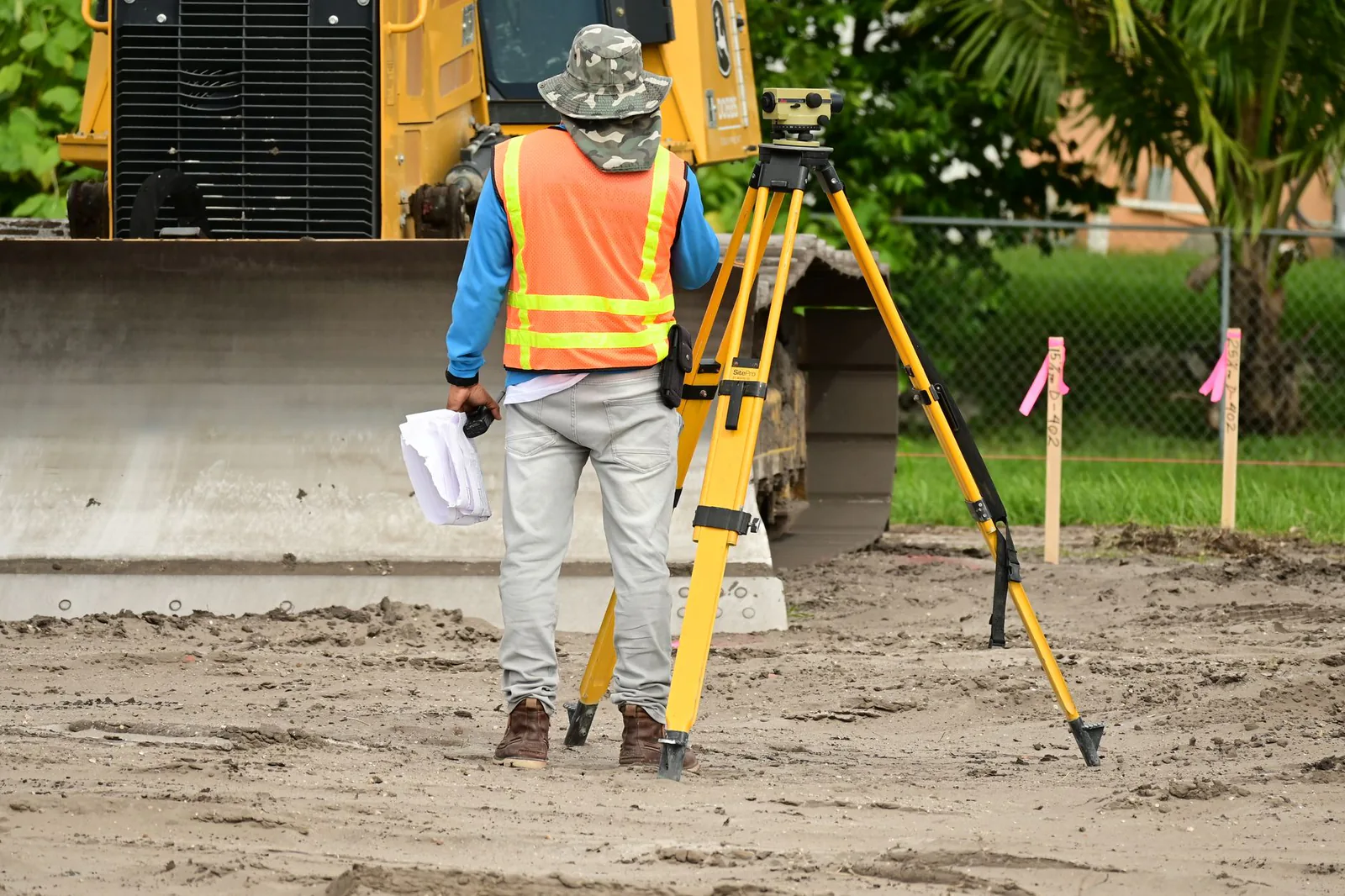
The certificate of location describes the state of the property in relation to titles, the cadastre, the actual occupancy of the premises and the applicable regulations. It reveals servitudes, encroachments, flood zones and non-conformities with municipal zoning.
Two situations normally call for ordering a new one. The first is age: the Chambre des notaires du Québec and the Organisme d’autoréglementation du courtage immobilier du Québec ask their members to require a certificate less than ten years old, even with no apparent change to the property. The second is material change: a pool, a shed, a heat pump, a fence, a deck or an extension makes the existing certificate inaccurate.
This document is normally at the seller’s expense and only a land surveyor can produce it. Order it as soon as the decision to sell is made, not when the notary asks for it.
Completing the seller’s declarations accurately
The form covers the year of construction and acquisition, servitudes, water damage, soil contamination, the condition of the roof, plumbing and heating, as well as the work carried out.
The natural reflex is to minimise. The opposite is what protects you. Information declared in good faith can no longer be held against you afterwards, whereas silence about a known problem opens the door to a claim.
A pre-listing inspection helps complete this form correctly. It tells you what the buyer’s inspector will find anyway, and it leaves you the choice between correcting, disclosing or adjusting the price accordingly. You thereby regain the initiative on findings that, discovered later, would become negotiating levers.
Targeting the fixes that influence a showing
When preparing your home for sale in Saint-Jérôme, the useful distinction is not between large and small work, but between what a buyer notices and what they do not.
- Perception fixes: loose handles, blackened silicone joints, dripping taps, burnt-out bulbs, sticking doors. Minimal cost, immediate effect on the impression of a well-maintained property.
- Doubt fixes: signs of seepage in the basement, visible cracks, mould in a bathroom. They trigger a question about structural condition, and that question follows the buyer right through to the inspection.
- Decluttering: emptying closets by half, removing surplus furniture and depersonalising the walls visually enlarges rooms without spending a dollar.
- The exterior: the first impression forms in the driveway. Mown lawn, trimmed hedges, clear gutters and a washed façade are worth more than most minor interior renovations.
Major work follows a different profitability logic. The article on renovations that increase a home’s value in Saint-Jérôme specifies which ones are recouped on resale, and the one on mistakes that lower a property’s value flags the interventions to avoid.
If you are still unsure about the asking price, get an evaluation of your property before committing to preparation expenses.
Setting a realistic timeline before listing
Count on four to six weeks to prepare your home for sale in Saint-Jérôme, from the initial decision to the publication of the listing, in a normal scenario.
The first two weeks go to documents and the pre-listing inspection. The next two absorb the fixes and the decluttering. The last is devoted to setting the price, preparing the rooms and the photo session, which always comes last.
This order matters. Photos taken before decluttering condemn the listing to underperform during the first days of exposure, that is, exactly when the property receives the most visibility.
The question of price is settled in parallel, on the basis of comparable sales in the area rather than the municipal assessment. The guide on home evaluation in Saint-Jérôme explains this distinction, often a source of misunderstanding.
Preparing your home for sale in Saint-Jérôme without leaving a handhold
Preparing your home for sale in Saint-Jérôme amounts to doing in advance the work the buyer would otherwise do against you. Up-to-date documents, complete declarations, visible fixes handled, careful presentation: every item removed from the list of unknowns protects your price.
The calendar remains the most neglected factor. A certificate of location and a pre-listing inspection take weeks, not days, and they are what determine whether your transaction closes on the planned date.
To establish a preparation plan suited to your property and your timeline, discuss your sale project before setting a listing date.
Frequently asked questions
How do you prepare your home for sale in Saint-Jérôme?
Preparing your home for sale in Saint-Jérôme starts with the documents, not the work. You first validate your certificate of location, your renovation invoices and your permits. You then complete the seller’s declarations with your broker. Finally, you handle the visible fixes, declutter the rooms and tend to the exterior before the photo session and the first showing.
Should you have your property inspected before putting it up for sale?
It is not mandatory, but a pre-listing inspection helps complete the seller’s declarations accurately. You then know the property’s real defects and can correct or disclose them before receiving an offer. This transparency reduces the risk of renegotiation during the transaction and limits the recourses available after signing at the notary.
Who pays for the certificate of location in a sale?
The certificate of location is normally at the seller’s expense, unless the promise to purchase provides otherwise. Only a land surveyor can produce it and the preparation time often stretches over several weeks. A document that no longer reflects the current state of the premises, notably after adding a pool or a shed, must be redone before signing the deed of sale.