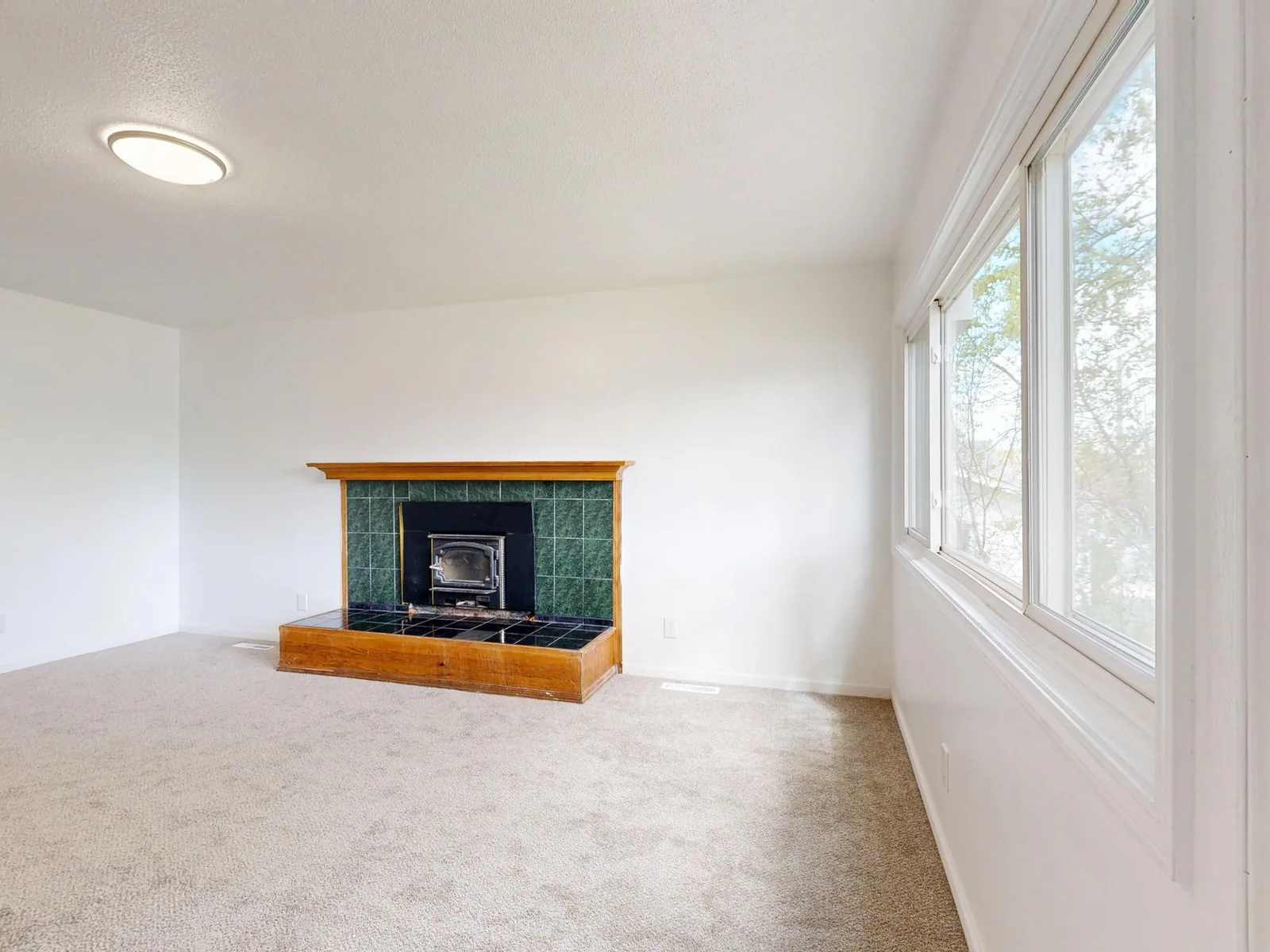
To sell an inherited house in Quebec, begin by confirming the most recent will and the identity of the liquidator. Next, have a notary prepare the declaration of transmission, settle debts and tax matters, obtain a property appraisal, market the house on behalf of the succession, then close the sale and distribute the net proceeds among the heirs.
Losing someone close to you is already difficult. Managing a property that forms part of a succession adds precise rules, documents and timelines. This guide presents the process in a practical order, from the first document to the final distribution, so you can move forward while avoiding preventable mistakes.
In short: do not sign anything until the will, the liquidator’s role and the scope of their authority have been verified. The notary confirms the legal framework, the tax professional validates the tax treatment, and the broker appraises and markets the property.
What you need before you begin
Gather these items at the outset to prevent delays later:
- the death certificate or copy of the act of death issued by the Directeur de l’état civil;
- the will search certificate;
- the will or, if there is no will, the information required for a legal succession;
- proof of the liquidator’s appointment and the scope of their authority;
- an appraisal of the property’s fair market value as of the date of death;
- a list of debts, mortgages, taxes, insurance and expenses related to the property;
- contact information for the heirs and the professionals involved in the file.
The notary, broker, tax professional and heirs will use these documents throughout the succession. It is best to collect them early.
Step 1: Complete the will search
The first task is to locate the most recent valid will. The Chambre des notaires du Québec and the Barreau du Québec now offer a portal that lets you submit one request for both will registries.
The search certificate indicates whether a will was registered and helps identify the professional who holds it. A copy of the act of death or a death certificate is among the documents generally required with the request.
Practical advice: start this process promptly and do not build the sale timeline around an assumed processing period. Turnaround times can vary.
Step 2: Confirm the liquidator and their authority
The liquidator administers the property and settles the succession according to the law and the wishes set out in the will. If the will does not name a liquidator, the heirs assume the role or appoint someone in accordance with the applicable rules.
Before marketing the property, verify:
- who has been officially appointed as liquidator;
- whether multiple liquidators must act together;
- what the will says about selling the property;
- whether the heirs’ consent or another authorization is required in this particular file.
The liquidator’s appointment must be published in the Register of Personal and Movable Real Rights (RDPRM).
Mistake to avoid: signing a promise to purchase without clear authority. Uncertainty about the power to sell can delay or jeopardize the transaction. If you have recently inherited a house in Quebec, clarify this point with your notary first.
Step 3: Obtain the declaration of transmission
The ownership rights must be regularized before the sale can close. The notary prepares the declaration of transmission of the immovable property in favour of the succession or an heir, as applicable, and then registers the new rights in the Land Register of Quebec.
The Quebec government’s checklist for liquidators confirms that a notary is required for this step. In some cases, marketing can begin before registration, with conditions drafted to reflect the succession file. The deed of sale must nevertheless comply with the notary’s requirements and the state of title.

Step 4: Settle debts and capital gains matters
Before distributing property, the liquidator must prepare the inventory of the succession, pay the debts and file the required tax returns. Mortgages, municipal and school taxes, maintenance expenses, insurance and professional fees must all be included when calculating the net proceeds.
Quebec does not have a general inheritance tax. However, at death, a person is normally deemed to have disposed of their capital property at fair market value. This deemed disposition can result in a capital gain or loss. The Canada Revenue Agency explains the rules for property owned by someone who died, including how a principal residence is designated.
If the house was the deceased’s principal residence for every eligible year, the exemption may reduce or eliminate the gain at death. An increase in value between the date of death and the sale may still create a gain for the succession or an heir. Always confirm the calculation with a tax specialist or accountant.
Step 5: Appraise and prepare the property
An objective appraisal helps establish a realistic price and reassure the heirs. Fair market value as of the date of death serves a tax purpose, while the value at the time the property is listed informs the selling strategy. These two amounts are not necessarily the same.
A real estate broker prepares a comparative market analysis based on recent sales in the area. A chartered appraiser may be needed for a formal opinion, particularly when the file involves tax issues or a disagreement.
Next, prepare the house:
- secure the property and obtain appropriate coverage if it is vacant;
- declutter and clean it thoroughly;
- correct visible defects that could affect showings;
- gather invoices, certificates and other useful records;
- disclose known problems transparently.
Targeted improvements can increase the home’s value without tying up the succession unnecessarily. Before setting the asking price, compare a professional home evaluation with the family’s initial estimate.

Step 6: Sell the house on behalf of the succession
The liquidator markets the property and acts on behalf of the succession within the limits of their authority. The brokerage contract, seller’s declarations and promise to purchase must accurately reflect the property’s succession status.
Every offer should be assessed on more than price. Conditions, financing, inspection, occupancy date, the notarial timeline and the status of the declaration of transmission can all affect the strength of the transaction.
Practical advice: provide the heirs with clear, consistent information about showings and offers. This discipline reduces tension and speeds up decisions, especially when joint approval is required. A well-managed selling process helps prevent misunderstandings.
Step 7: Close the sale and distribute the proceeds
Once the conditions have been met and the ownership rights regularized, the deed of sale can be signed before the notary. The notary receives the funds, pays the claims related to the immovable according to the file and remits the balance in accordance with their professional instructions.
The liquidator must then:
- pay any remaining debts, taxes and expenses owed by the succession;
- obtain the required tax certificates before distributing the property;
- prepare a final account of their administration;
- distribute the balance to the heirs according to their rights;
- publish the notice of closure of the liquidator’s account in the RDPRM.
Keep every invoice, receipt, bank statement and record of decisions. Transparent accounting helps prevent disputes and allows the succession to be closed properly.
Common mistakes to avoid
Several recurring mistakes can be costly:
- listing the property before confirming the liquidator and their authority;
- relying on an old copy of the will without completing the required searches;
- confusing the municipal assessment, the value at death and current market value;
- distributing money before paying the debts and obtaining the required tax certificates;
- failing to tell the insurer that the house is vacant;
- underestimating potential capital gains tax;
- allowing a dispute among heirs to stall decisions without promptly seeking legal advice.
Anticipating these issues will also help you avoid several common mistakes when selling a house in Quebec.
Summary of the 7 steps
| Step | Key action | Primary professional | Expected outcome |
|---|---|---|---|
| 1 | Complete the will search | Notary or official registries | Most recent will located |
| 2 | Confirm the liquidator and their authority | Notary or lawyer | Authorized person and mandate clarified |
| 3 | Prepare the declaration of transmission | Notary | Immovable property rights regularized |
| 4 | Settle debts and tax matters | Tax specialist, accountant and notary | Financial obligations established |
| 5 | Appraise and prepare the property | Broker or chartered appraiser | Realistic price and selling strategy |
| 6 | Market the property and negotiate | Real estate broker | Promise to purchase adapted to the succession |
| 7 | Sign, account and distribute | Notary and liquidator | Sale closed and net proceeds distributed |
Conclusion
Selling an inherited house in Quebec is easier when the steps happen in the right order: will search, confirmation of the liquidator, declaration of transmission, settlement of financial matters, appraisal, marketing and final distribution. Each document has a purpose, and every decision benefits from coordination among the notary, tax professional, broker and heirs.
Before setting a price or signing an offer, review the file with the professionals responsible for it. To learn the property’s current market value, request a free, no-obligation home evaluation.
This guide provides general information and is not a substitute for legal, tax or accounting advice tailored to your circumstances.
Frequently asked questions
How long does it take to sell an inherited house in Quebec?
There is no standard timeline. The will search, declaration of transmission, inventory, debts and relationships among the heirs all affect the schedule. Marketing can sometimes begin before the declaration of transmission is registered, but the deed of sale must meet the notary’s requirements. A straightforward succession may take a few months, while a disagreement or complex tax file can extend the process.
Who has the right to sell a house belonging to a succession?
The liquidator administers the property and acts on behalf of the succession. The liquidator is named in the will or appointed under the applicable rules when the will does not name one. The scope of their authority, the deceased’s wishes and the heirs’ circumstances determine which approvals are required. Their authority should be confirmed before a promise to purchase or deed of sale is signed.
Do you pay tax on an inherited house in Quebec?
Quebec does not have a general inheritance tax, but death normally triggers a deemed disposition of property at fair market value. A capital gain may therefore have to be reported. The principal residence exemption may reduce or eliminate that gain when the requirements are met. An increase in value after death may also have tax consequences for the succession or an heir.
Can you sell before obtaining the declaration of transmission?
The property can sometimes be marketed and become the subject of a conditional promise to purchase before the declaration of transmission is registered. However, the transfer of the immovable property rights must be regularized and entered in the Land Register of Quebec before the transaction can close in accordance with the notary’s requirements. The broker and notary should coordinate the conditions and timeline.