The most costly mistakes when selling a home in Quebec often look trivial. Yet they cost sellers thousands of dollars every year, stretch out timelines and create avoidable stress.
These mistakes do not come from a lack of goodwill. They come from an unfamiliarity with the process, an overvaluation of the property or insufficient preparation. The result is often the same: a longer sale, a disappointing final price or a cancelled transaction.
This guide covers the 10 most common traps, with concrete solutions for each one.
1. Overpricing: the number one mistake when selling a home in Quebec
This is the most frequent and most costly trap. Setting a price that is too high pushes serious buyers away from the start. Overpriced properties stay on the market for a long time and often end up selling below their real value, because successive price reductions create a negative perception.
The municipal assessment does not represent market value. It is used only for property taxation. A property’s true value is determined by a comparative market analysis based on recent sales of similar properties in the same area.
Get a market value analysis of your property before setting your price.
2. Neglecting visual preparation
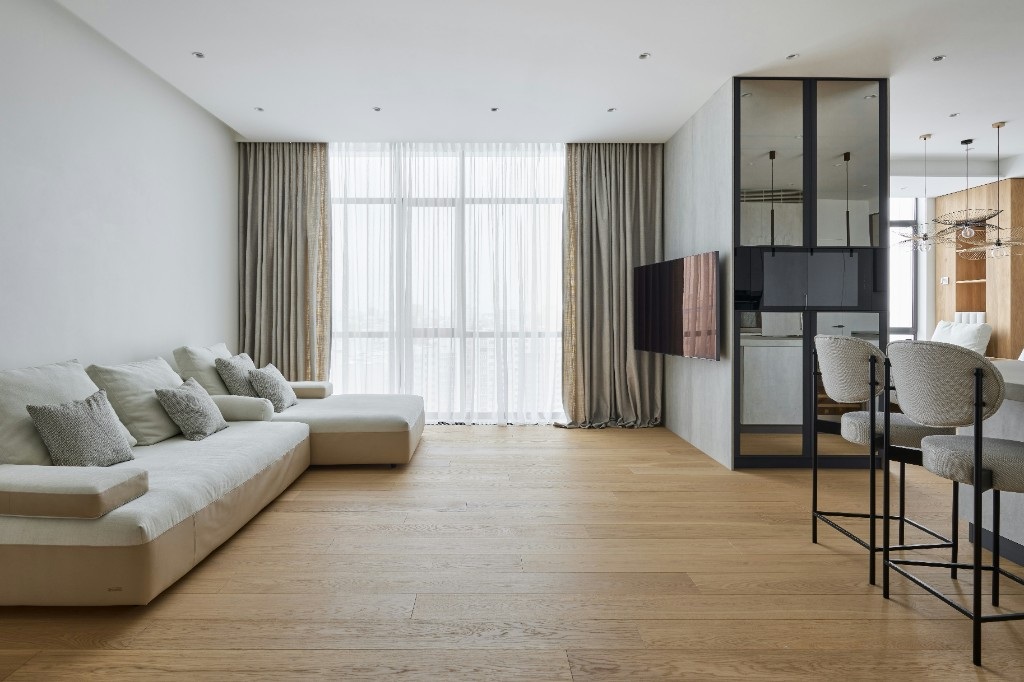
A buyer forms a first impression in under 30 seconds. A cluttered entrance, faded paint or overloaded rooms immediately give the impression of a poorly maintained property, even if the structure is flawless.
Home staging does not mean redecorating. It means highlighting what is already there: decluttering, deep cleaning, neutralizing overly personal colours, airing out the rooms and taking care of visible details.
Small investments in visual preparation generally pay back well beyond their cost at sale time. According to a guide from the Canada Mortgage and Housing Corporation (CMHC), a property’s presentation directly influences its speed of sale and its final price.
3. Using poor-quality photos
Most buyers start their search online. Dark, blurry photos, or those taken with a phone held at knee height, eliminate a property before a visit is even booked.
Professional photos with a wide angle, optimized natural lighting and a consistent shot style from room to room make a measurable difference in the number of visits generated.
Elements never to neglect in listing photos:
- Take the photos on a sunny day
- Open all blinds and curtains
- Remove personal items and distracting objects
- Include an exterior daytime photo, along with parking and yard shots
- Show every room, including the bathroom and the basement if it is finished
4. Poor timing when going to market
The Quebec real estate market is seasonal. Spring (March to June) is traditionally the most active period, with the largest number of buyers actively searching. Autumn offers a second attractive window, from September to November.
Going to market in the middle of July or in January, without a strategic reason, mechanically reduces the pool of available buyers. One of the mistakes when selling a home in Quebec linked to timing is precisely underestimating the impact of the season on competition between buyers and, therefore, on the final price.
A broker well informed about the local market can advise you on the optimal moment based on your area and property type.
5. Ignoring small visible repairs
A dripping faucet, a loose baseboard, a closet door off its track, ceiling stains. These details seem insignificant to the owner who has lived with them for years. To a buyer visiting for the first time, they signal a general lack of maintenance.
Buyers use these imperfections to negotiate down, often exaggerating the real cost of the fixes. Investing a few hundred dollars to address these small issues before visits is almost always profitable.
Read the guide to buying costs in Saint-Jérôme to better understand the financial structure of a real estate transaction.
6. Letting emotion take over during negotiation

Selling a home you have lived in for years carries a real emotional weight. The problem arises when that emotion interferes with negotiation decisions.
Rejecting an offer because it feels insulting, refusing to move on price simply on principle, or taking offence at a buyer’s condition are behaviours that sink transactions that could have closed successfully.
A real estate broker plays a key role here: they act as a buffer between seller and buyer, filter emotions and bring the conversation back to what matters, namely the financial terms and the transaction timeline.
7. Hiding important defects from the buyer
In Quebec, the seller has a legal obligation to disclose any known defect that could affect the value or use of the property. Concealing water infiltration issues, mould, non-compliant electrical installations or structural cracks exposes the seller to legal claims after the sale, even years later.
The Real Estate Brokerage Act strictly regulates disclosure obligations. Transparency protects the seller as much as it protects the buyer.
A broker regulated by the OACIQ supports the seller in preparing the seller’s declaration to ensure everything is properly documented.
8. Misunderstanding the costs of selling
Many sellers are surprised by the costs a sale entails. There is more than just the broker’s commission. Notary fees, adjustments for municipal and school taxes, potential mortgage prepayment penalties and the cost of an up-to-date certificate of location add up quickly.
Here are the main expense items to anticipate when selling a property in Quebec:
| Expense item | Approximate estimate |
|---|---|
| Notary fees (seller portion) | $500 to $1,200 |
| Certificate of location (if required) | $800 to $1,500 |
| Mortgage prepayment penalty | Varies by institution |
| Tax adjustments (municipal and school) | Prorated to the sale date |
| Staging and preparation (if applicable) | $500 to $3,000 |
Planning these costs upfront avoids unpleasant surprises at signing.
9. Underestimating the importance of digital reach
In 2026, this mistake when selling a home in Quebec is among the most impactful on the final result. A property invisible online is a property that does not sell to its full potential. Centris, social media, real estate search platforms and Google are the first places buyers look.
A well-written Centris listing, with a clear description, professional photos and complete information, generates significantly more visits than a minimalist one. The description must highlight the property’s real strengths without overselling or hollow formulas.
10. Selling without a broker without preparing seriously
Selling without a broker is a right in Quebec. But it requires mastering marketing, negotiation, drafting legal documents, managing conditions and process deadlines. Owners who venture into it without serious preparation often commit several of the mistakes listed above at the same time.
Studies on real estate transactions in Quebec regularly indicate that properties sold with a broker obtain a final net price comparable to or higher than those sold without a broker, even after deducting the commission, thanks to better marketing and more effective negotiation.
Explore the blog resources to prepare your sale.
Conclusion
Avoiding the most common mistakes when selling a home in Quebec is within reach of any well-prepared seller. A fair price, good presentation, professional marketing and emotion-free negotiation are the pillars of a successful sale.
If you are considering selling a property in the Saint-Jérôme area or the Laurentians, book a free consultation with a Laurentian broker and leave with a concrete plan tailored to your situation.
FAQ
What is the most costly mistake when selling a home in Quebec?
The most costly mistake when selling a home in Quebec is generally overpricing. An overpriced property lingers on the market and generates a negative perception. Successive price cuts often end up selling it below its real value. A comparative market analysis performed by a local broker before listing avoids this frequent pitfall.
Is it mandatory to disclose defects when selling a home in Quebec?
In Quebec, the seller is legally required to disclose any known defect that could affect the value or use of the property. This obligation applies even without a broker, and omitting it exposes the seller to legal claims after the sale. The seller’s declaration, completed with a broker, is a key document that protects every party in the transaction.
When is the best time of year to sell a home in Quebec?
Spring, from March to June, is the most favourable time to sell in Quebec. The buyer pool is at its largest, which drives competition and a higher final price. Autumn, from September to November, is a second attractive window. July and January are generally less favourable, with exceptions depending on the local market.